The Tell-Tale Heart by Edgar Allan Poe: A Chilling Gothic Masterpiece
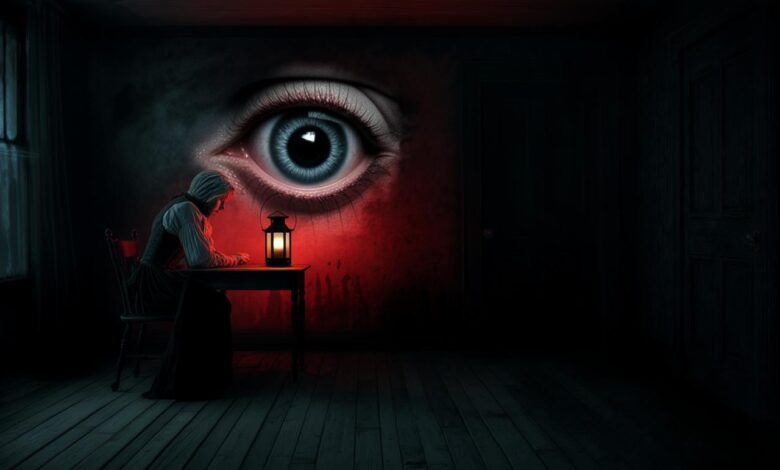
Step into the dark and unsettling mind of Edgar Allan Poe with The Tell-Tale Heart, a short story that defines the psychological horror genre. First published in 1843, this gothic classic explores themes of guilt, madness, and the human psyche, captivating readers with its intense narrative and haunting atmosphere. Perfect for fans of horror, suspense, or classic literature, The Tell-Tale Heart is a timeless tale that continues to thrill and unsettle. Let’s uncover its story, themes, and enduring legacy.
What Is The Tell-Tale Heart About?




The Tell-Tale Heart is narrated by an unnamed protagonist who insists on their sanity while confessing to a meticulously planned murder. The narrator lives with an old man whose pale, “vulture-like” blue eye fills them with irrational dread. Driven by this obsession, the narrator resolves to kill the old man, not out of hatred or greed, but to rid themselves of the unsettling eye.
For seven nights, the narrator creeps into the old man’s room, watching him sleep. On the eighth night, the old man awakens, and the narrator, hearing the man’s terrified heartbeat, commits the murder, dismembering and hiding the body beneath the floorboards. When police arrive, prompted by a neighbor’s report of a scream, the narrator confidently invites them in, believing their crime is undetectable. However, the sound of a heartbeat—imagined or real—grows louder in the narrator’s mind, driving them to madness and a frantic confession.
Through its unreliable narrator and vivid prose, The Tell-Tale Heart delves into the torment of guilt and the fragility of the human mind.
Key Themes in The Tell-Tale Heart
Guilt and Conscience: The imagined heartbeat symbolizes the narrator’s overwhelming guilt, which betrays them despite their careful planning.
Madness vs. Sanity: The narrator’s insistence on their rationality juxtaposed with their erratic behavior blurs the line between sanity and insanity.
Obsession: The fixation on the old man’s eye drives the narrator to extreme actions, highlighting the destructive power of irrational fears.
Psychological Horror: Poe’s focus on the narrator’s inner turmoil creates a chilling atmosphere, emphasizing mental anguish over physical gore.
Why Read The Tell-Tale Heart?
The Tell-Tale Heart is a cornerstone of gothic literature, showcasing Poe’s mastery of suspense and psychological depth. Its brevity—under 2,500 words—makes it an accessible yet powerful read, while its intense narrative voice draws readers into the mind of a disturbed protagonist. The story’s exploration of guilt and paranoia remains universally relatable, resonating with modern audiences.
As a staple in horror and literature studies, it’s ideal for readers seeking a quick, spine-chilling experience or a deeper analysis of human psychology. Its influence on the horror genre and popular culture makes it a must-read for any literary enthusiast.
Why Edgar Allan Poe’s Work Endures
Edgar Allan Poe, a pioneer of American literature, is renowned for works like The Raven and The Fall of the House of Usher. The Tell-Tale Heart exemplifies his ability to blend gothic atmosphere with psychological insight, cementing his legacy as the master of macabre. His stories continue to inspire writers, filmmakers, and readers, maintaining their relevance nearly two centuries later.
How to Experience The Tell-Tale Heart
Read the Story: Find it in Poe’s collections like Tales of Mystery and Imagination or through reputable online sources.
Reflect on Its Themes: Consider how the story’s exploration of guilt and madness applies to human nature or modern psychological concepts.
Engage with Others: Discuss its narrative techniques and emotional impact in book clubs, literature classes, or online forums.
The Tell-Tale Heart is a gripping, unforgettable tale that plunges readers into the depths of the human psyche. Add it to your reading list for a chilling literary adventure.