The Yellow Wallpaper by Charlotte Perkins Gilman: A Haunting Feminist Classic
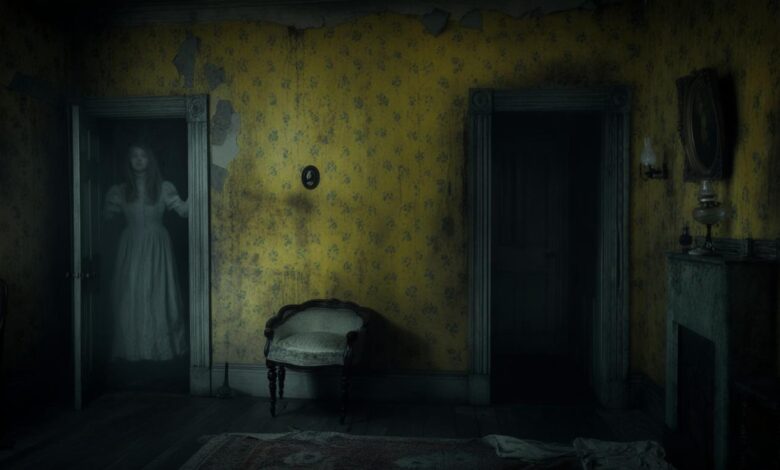
Step into the unsettling and powerful world of The Yellow Wallpaper by Charlotte Perkins Gilman, a landmark short story that blends psychological depth with sharp social commentary. First published in 1892, this tale remains a cornerstone of feminist literature, exploring themes of mental health, gender oppression, and personal autonomy. Perfect for readers who enjoy thought-provoking classics, The Yellow Wallpaper is both a chilling narrative and a timeless critique of societal norms. Let’s uncover its story, themes, and enduring relevance.
What Is The Yellow Wallpaper About?
The Yellow Wallpaper is narrated by an unnamed woman, a young wife and mother suffering from what her physician husband, John, diagnoses as a “temporary nervous depression.” Prescribed a “rest cure,” she is confined to a rented mansion’s upstairs room, forbidden from writing or engaging in stimulating activities. The room’s most striking feature is its garish yellow wallpaper, which becomes the focal point of the narrator’s growing obsession.




As the narrator spends her days isolated, she begins to see patterns and movement in the wallpaper, eventually perceiving a woman trapped behind its design. Her fixation deepens, reflecting her deteriorating mental state and her struggle against the constraints imposed by her husband and society. The story builds to a haunting climax, where the narrator’s rebellion against her confinement takes a surreal and symbolic form, revealing the devastating effects of patriarchal control.
Through its unreliable narrator and vivid imagery, The Yellow Wallpaper offers a gripping exploration of mental anguish and the silencing of women’s voices.
Key Themes in The Yellow Wallpaper
- Feminist Critique: The story exposes the oppressive nature of 19th-century gender roles, particularly the medical and social control of women’s bodies and minds.
- Mental Health: Gilman draws from her own experiences with postpartum depression and the harmful “rest cure” to highlight the neglect of women’s psychological needs.
- Autonomy and Rebellion: The narrator’s descent into madness is both a tragedy and a subversive act of reclaiming agency in a world that denies her freedom.
- Symbolism: The yellow wallpaper itself symbolizes entrapment, societal expectations, and the hidden struggles of women.
Why Read The Yellow Wallpaper?
The Yellow Wallpaper is a masterwork of psychological fiction, packing profound social and emotional insights into a concise narrative. Its vivid prose and unsettling atmosphere make it a compelling read, while its critique of gender dynamics remains strikingly relevant. The story’s exploration of mental health and autonomy resonates with modern readers, making it a staple in literature courses and feminist discussions.
As a pioneering work, it challenges readers to question societal norms and empathize with those silenced by systemic oppression. Its brevity—under 6,000 words—makes it an accessible yet impactful read for both casual readers and literary scholars.
Why Charlotte Perkins Gilman’s Work Endures
Charlotte Perkins Gilman was a prominent feminist, sociologist, and writer whose works, including Women and Economics, championed gender equality. The Yellow Wallpaper, inspired by her own struggles with mental health treatment, is her most famous work, celebrated for its bold critique and literary craft. Its influence spans literature, psychology, and feminist theory, cementing Gilman’s legacy as a voice for change.
How to Experience The Yellow Wallpaper
- Read the Story: Find it in collections of classic literature, feminist anthologies, or reputable online sources.
- Reflect on Its Themes: Consider how the story’s commentary on gender and mental health applies to contemporary issues.
- Join the Conversation: Engage in book clubs or online forums to discuss its historical context and modern relevance.
The Yellow Wallpaper is a haunting, essential read that invites reflection on freedom, identity, and the power of storytelling. Add it to your reading list for a profound literary experience.