The Ones Who Walk Away from Omelas by Ursula K. Le Guin: A Profound Moral Tale
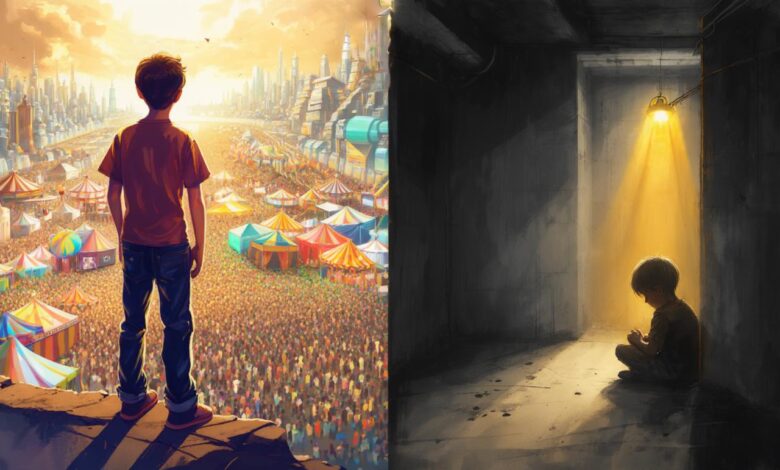
Enter the thought-provoking world of The Ones Who Walk Away from Omelas, a short story by Ursula K. Le Guin that challenges readers to confront the cost of happiness. Published in 1973, this speculative fiction masterpiece blends vivid imagery with deep philosophical questions, making it a timeless exploration of morality, sacrifice, and societal ethics. Perfect for fans of literary fiction and ethical dilemmas, this story will leave you questioning the foundations of utopia. Let’s delve into its narrative, themes, and lasting impact.
What Is The Ones Who Walk Away from Omelas About?



The Ones Who Walk Away from Omelas presents a seemingly perfect city, Omelas, where citizens live in harmony, joy, and prosperity. Le Guin paints a vibrant picture of festivals, music, and communal bliss, inviting readers to imagine a utopia tailored to their ideals. However, this idyllic society harbors a dark secret: its happiness depends on the suffering of a single child, locked away in a filthy, miserable basement.
The citizens of Omelas are fully aware of the child’s plight. They learn of it as adolescents and must decide whether to accept this moral compromise for the sake of their society’s perfection. Most rationalize the child’s suffering as a necessary price, but a few, unable to reconcile with the injustice, choose to walk away from Omelas, leaving the city behind for an unknown future.
Through its allegorical structure and sparse yet evocative prose, the story forces readers to grapple with the ethical implications of collective happiness built on individual pain.
Key Themes in The Ones Who Walk Away from Omelas
Moral Responsibility: The story questions whether individuals can justify benefiting from a system that causes harm, even if they didn’t create it.
Utopia and Sacrifice: Le Guin challenges the idea of a perfect society by revealing the hidden costs of utopian ideals.
Individual vs. Collective Good: The contrast between those who stay and those who leave highlights the tension between personal ethics and societal norms.
Empathy and Complicity: The citizens’ awareness of the child’s suffering underscores the role of complicity in perpetuating injustice.
Why Read The Ones Who Walk Away from Omelas?
The Ones Who Walk Away from Omelas is a concise yet profound story that packs a philosophical punch. At just a few thousand words, it invites readers to reflect on complex ethical questions without providing easy answers. Le Guin’s lyrical prose and imaginative world-building create a narrative that is both accessible and intellectually stimulating. Its open-ended conclusion sparks discussion, making it a favorite for book clubs, classrooms, and philosophical debates.
As a Hugo Award-winning work, the story showcases Le Guin’s mastery of speculative fiction and her ability to weave moral inquiries into compelling narratives. It’s a must-read for anyone interested in exploring the intersections of ethics, society, and human nature.
Why Ursula K. Le Guin’s Work Endures
Ursula K. Le Guin, a titan of science fiction and fantasy, is renowned for works like The Left Hand of Darkness and A Wizard of Earthsea. Her stories combine rich world-building with deep philosophical and social insights. The Ones Who Walk Away from Omelas exemplifies her ability to challenge readers’ assumptions, cementing her legacy as a literary icon whose work remains relevant across generations.
How to Experience The Ones Who Walk Away from Omelas
Read the Story: Find it in Le Guin’s collections like The Wind’s Twelve Quarters or through reputable online sources.
Reflect on Its Questions: Consider how the story’s moral dilemma applies to real-world issues like inequality or systemic injustice.
Engage in Discussion: Join literary forums or book clubs to debate the choices of Omelas’ citizens and their implications.
The Ones Who Walk Away from Omelas is a haunting, unforgettable tale that challenges readers to examine their own ethical boundaries. Add it to your reading list for a profound literary journey.